



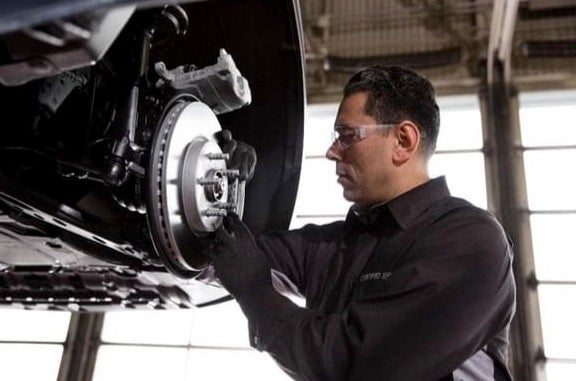
When it comes to vehicle safety, brakes are arguably the most crucial component. The ability to stop effectively at any given moment is essential, and while good tires play a significant role, they mean little without reliable brakes.
At Dyer Chevrolet Lake Wales, we often encounter customers seeking brake services near Lake Wales, and we're always eager to help maintain their brake systems. However, we are often surprised by how many of our customers are unaware of the type of brakes their vehicles have. Understanding the different types of brakes and rotors on your vehicle can be valuable knowledge. Today, we'll explore the various brakes and rotors found on modern vehicles to give you a better understanding of your ride.
Types of Brakes: Drum vs. Disc
Before we delve into the specifics of brake rotors, it's important to understand the two primary types of brakes: drum and disc brakes. Older vehicles often feature drum brakes, which use a drum connected to the wheel that a shoe presses against to slow down and stop the vehicle. In contrast, most newer vehicles, including those you might find at Dyer Chevrolet Lake Wales, are equipped with disc brakes. Disc brakes utilize a rotor attached to the wheel, with pads clamping onto the rotor to slow the vehicle down safely. The term "rotor" essentially refers to the "disc" in this setup.
Materials Used in Brake Rotors
The material your brake rotors are made from significantly affects their performance and longevity. Here are the six common materials used in modern brake rotors:
- Cast Iron: Commonly used in standard brake rotors for passenger vehicles due to its reliability and cost-effectiveness. The main downside is its heavy weight.
- Steel: Lighter than cast iron, steel rotors are thinner but may warp over time, making them less ideal for everyday driving.
- Layered Steel: These rotors are laminated layers of steel, offering durability and lightness, often used in racing vehicles.
- Aluminum: Lightweight and excellent at heat dissipation, aluminum rotors are best for light vehicles like motorcycles.
- High Carbon Iron: Enhanced with carbon, these rotors are durable and heat-resistant, suitable for performance or specialty vehicles.
- Ceramic: Known for excellent heat dissipation and pressure handling, ceramic rotors are typically found in high-performance cars like the Corvette.
Different Brake Rotor Designs
Brake rotors also come in various designs, each suited to different driving needs:
- Blank & Smooth: The most common design, providing reliable performance for everyday driving.
- Drilled: Featuring holes for better heat dissipation and water displacement, ideal for areas with heavy rainfall.
- Slotted: Grooves in the rotor surface help with heat dissipation, making them great for trucks and SUVs that do a lot of towing.
- Drilled & Slotted: Combining the benefits of both designs, these rotors are effective at handling heat and enhancing braking power, especially at high speeds.
Keep Your Brakes in Great Shape
Understanding the materials and designs of your brake rotors can help you make informed decisions about maintenance and upgrades. Regular brake inspections and timely replacements are crucial to ensuring your safety and control on the road. Whether you're driving a compact car with steel rotors or a performance vehicle with ceramic drilled & slotted rotors, maintaining your brakes is essential.
Visit Dyer Chevrolet Lake Wales Today
If you're unsure about the type of brake rotors on your vehicle or need a brake service, visit Dyer Chevrolet Lake Wales Service Department. Our experienced technicians can help you understand your vehicle's braking system and ensure it remains in top condition.