




Dyer Chevrolet Lake Wales

Blog / Dyer Chevrolet Lake Wales

GET TO KNOW YOUR CAR’S AXLES, SUSPENSION, AND BRAKES

As you drive and enjoy your car each day, it’s helpful to know whether your brakes are simply squealing due to rain or if you need to look for brake service in Lake Wales to replace something right away; the situation can get a lot more complicated once you introduce things like your vehicle’s suspension and axles.

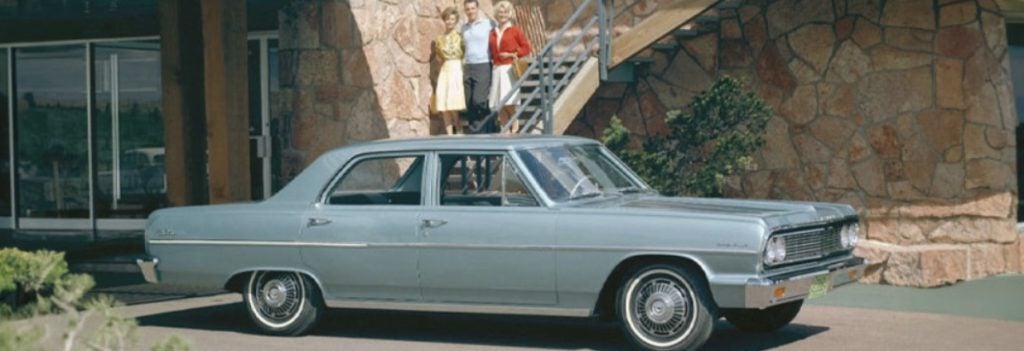
This will come as no surprise, but today’s vehicles are complicated pieces of machinery; long gone are the simple designs and engineering of the old Chevy Series C Classic Six. Modern cars, trucks, and SUVs have a tremendous amount of work put into them to ensure they are safe and comfortable and remain under control when you’re behind the wheel.

While not every driver needs to be an automotive engineer, it’s a good idea to have a basic understanding of the major components that make up your car, as this would make it easier to understand what might be wrong if you feel something off or hear a strange noise. So, let’s look at these major components to get a sense of what each one does, what you should know, and how to ensure they all remain in great working order.

First, Let’s Talk Car Axles

We could spend a lot of time discussing different types of axles, but you honestly don’t need to understand things at that level. Instead, we’ll keep things as simple as possible. There are quite a few different ways that axles are made and function these days; by and large, you won’t find many solid or dead axles on vehicles (why this is will become clear when we look at suspensions). The type of axles you have will depend on your drivetrain, which is to say, how power is transferred from your engine to your wheels.

If you have a car with rear-wheel drive (RWD), then the power goes to your rear wheels, and you’ll likely have a live rear axle that includes two half-shafts connected to your wheels and a differential between the two of them. On the other hand, if you have a front-wheel drive (FWD) car or SUV, then the power goes to your front wheels—and there’s probably a transaxle, which is a combination of a transmission and differential (since they’re both up front near the engine in this case). Finally, if you have a vehicle with all-wheel drive (AWD) or four-wheel drive (4WD), then power goes to all of your wheels, which means you’ll have differentials on the front and rear with axles designed to provide power to all four wheels.

The differential, by the way, exists to allow your powered wheels to spin at different rates, hence the name. When you make a turn while driving, the inner wheels travel less distance than the outer wheels, which means they need to spin at different rates; the differential allows this to happen. You only need this for the wheels with power since unpowered wheels are free to spin as they naturally need to, so you won’t have a differential where there’s no power to the wheels.

How to Tell When Something’s Wrong

In general, knowing when you have a problem with an axle isn’t easy as a driver, but loud noises—bumping or grinding sounds—can indicate an issue of some kind. Similarly, rough ride quality or new vibrations coming through your vehicle can mean you’ve broken or damaged an axle. Any time you notice these sorts of things, bring your vehicle to us, and we’ll take a look to see where the problem lies. Your differential also has fluid for lubrication and cooling, which needs to be checked frequently and replaced as needed, which we can do during other services.

Second, Your Suspension Is Vital

Again, the suspension on your vehicle is pretty complicated, and there are numerous types of suspensions in use these days, but we’ll keep things as simple as we can. For starters, the two major types are non-independent suspensions and independent suspensions. A non-independent suspension typically involves a live axle with two half shafts and a differential. Since these wheels are physically connected together through the live axle, the suspension springs and other components are built onto the axle itself.

An independent suspension, on the other hand, can be found where you don’t have a live axle, so the wheels aren’t connected to each other. Instead, each wheel is independently attached to the body or frame of the vehicle; therefore, different springs and suspension systems are used as part of this mounting for the wheels. You can also find vehicles with front and rear independent suspensions, which still have a differential that uses shafts to send power to the wheels. Whichever kind of suspension you have, it exists to absorb shocks from dips and bumps on the road, providing you with a smoother ride while you’re driving.

How to Tell When Something’s Wrong

One of the simplest signs that your suspension is off is when you notice you’re feeling a rougher ride than usual, though this can also indicate an axle or wheel problem. You can manually push down on your vehicle and see how it bounces afterward; it should only bounce once or twice if your suspension is in good shape. If your vehicle pulls to one side while you drive or you notice one corner of it sits lower than the rest, then this can also indicate a suspension issue we can fix.

Third, Keep Your Brakes Braking

Brakes have a simple purpose: slow and stop your vehicle. Since you typically drive at high speeds, your brakes take a lot of abuse as they function, working hard to ensure you stop when you need to. That’s why it’s important you react quickly if you notice your brakes aren’t working properly—especially before you embark on a road trip or other times you’re going to be doing a lot of driving.

There are two main types of brakes in use today: drum brakes, which use brake shoes pressed against the inside of a drum to slow you down, and disc brakes, which use brake pads squeezed against the sides of a disc to bring you to a stop. In either case, the drum or disc connects to your wheels, so these two components take all the abuse rather than your wheels themselves. You’ll typically need to replace the brake shoes and pads on a fairly routine basis, depending on your vehicle and driving habits; the drums and rotors (or discs) will also need to be replaced occasionally, though they should last longer than the shoes/pads.

How to Tell When Something’s Wrong

If you hear squealing, squeaking, or grinding coming from your vehicle when you apply the brakes, then there’s probably something wrong with them. Squealing brakes when it’s raining isn’t too unusual, but if you hear this sort of thing on dry roads, then you likely have a problem. If you feel vibrations through your car when you hit the brakes, that can also mean it’s time to replace your brake pads or shoes—or that the drums or discs have become worn down. One important thing to note: you should always replace both sets of brakes on an axle together; so if you need to replace your front right brakes, then replace the left ones up front, too. Failing to do so may cause your car to lurch to one side if you brake hard and suddenly.

Finally, Make Sure Everything Runs Beautifully

Getting the most from your vehicle means keeping it in good shape, and the best way to do this is to drive carefully and follow the service schedule set by Chevy for your model. This includes routine inspections of your axles, suspension, brakes, and more to ensure everything is in good shape and to help you find an issue before it becomes a bigger problem. The last thing you want is to be driving around Lake Wales, hit the brakes, and find they don’t stop you as quickly as you need them to.

Here at Dyer Chevrolet, our certified service center and technicians are ready to help you with everything you need to ensure your car, truck, or SUV keeps running well for you for a long time. Schedule a service appointment today and guarantee your vehicle is the best it can be. 
Posted in:

Related Posts

Chevy Traverse Near Me: Is This the Right SUV for You?

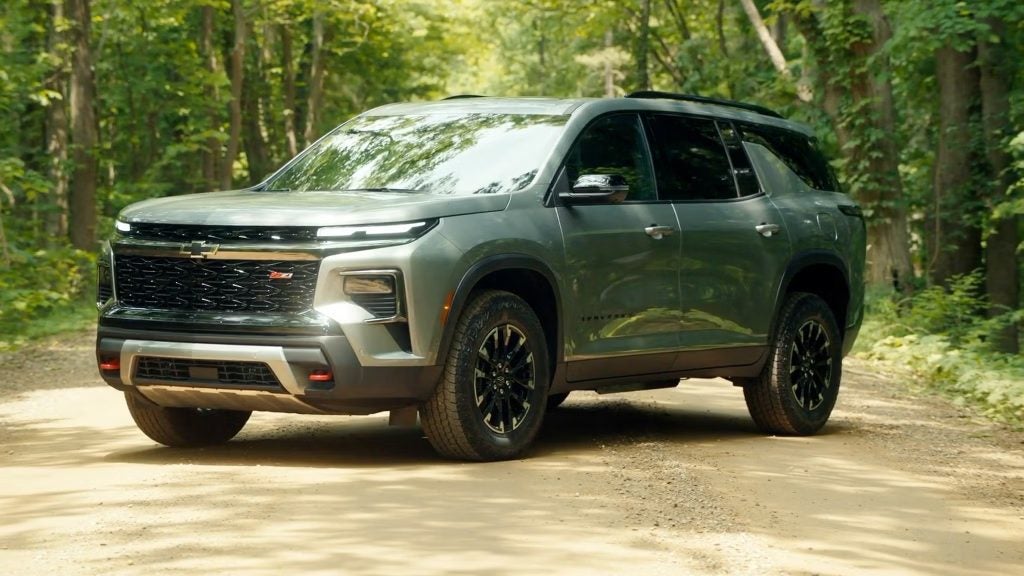
If you’re searching for a Chevy Traverse near you, you’re likely comparing SUVs that can handle daily driving, family needs, and long trips without compromise. For drivers in Lake Wales and across Central Florida, the Chevrolet Traverse stands out for its space, smooth performance, and everyday practicality. Quick Answer: Is the Chevy Traverse a Good SUV? Seating: up to 7–8 passengers Engine: V6 with strong acceleration Cargo space: among the best in its class Best for: families, road trips, daily driving Starting price: typically in the mid $30K range At Dyer Chevrolet Lake Wales, many families choose the Traverse for its combination of space and comfort without moving up to a full-size SUV. How Does the Chevy Traverse Perform? The Traverse is powered by a strong V6 engine that delivers smooth acceleration and confident highway performance. Drivers can expect: Easy highway merging Comfortable long-distance driving Towing capability for small boats or trailers For Central Florida drivers, this makes it a practical SUV for both commuting and weekend trips. How Much Space Does the Traverse Offer? Interior space is one of the Traverse’s biggest advantages. Three rows with seating for up to eight Spacious second and third rows Usable cargo space even behind the third row Many midsize SUVs feel tight in the third row. The Traverse stands out by offering real space for passengers and cargo. What Technology Comes in the Chevy Traverse? The Traverse is designed for everyday convenience. Features include: Touchscreen infotainment system Apple CarPlay® and Android Auto™ Multiple USB ports for passengers Easy-to-use controls This setup makes it ideal for families, especially on longer drives. Is the Chevy Traverse Safe? Safety is a key focus. Available features include: Forward collision alert Lane keep assist Automatic emergency braking These systems help drivers stay aware and reduce the risk of common accidents. How Does the Traverse Drive in Florida? Driving around Lake Wales and Central Florida, the Traverse feels smooth and stable. Comfortable suspension for city driving Easy handling for a three-row SUV Great for highway travel and road trips It is built for everyday usability, not just capability. How Does the Traverse Compare to Other SUVs? Compared to competitors like the Toyota Highlander or Honda Pilot, the Traverse stands out for: More cargo space More usable third-row seating Smooth V6 performance For families who need space without going to a full-size SUV, this is a major advantage. What Happens If You Choose the Wrong SUV? Choosing the wrong SUV can lead to: Not enough cargo space for your needs Uncomfortable third-row seating Paying more for features you don’t use That is why comparing models in person makes a difference. Explore the Chevrolet Traverse at Dyer At Dyer Chevrolet Lake Wales, you can explore available Chevrolet Traverse models, compare trims, and review key features in person. Whether you're considering a new or pre-owned option, having access to different configurations helps you make a more informed decision. Choosing the right SUV comes down to how well it performs in real-world situations—and the Traverse delivers a strong mix of power, space, and technology for drivers in Lake Wales.

Enhance Your Chevrolet’s Lifespan with Routine Fluid Checks

Schedule Your Service Appointment Vehicle maintenance can be confusing, and there's nothing worse than that sinking feeling when the check engine light comes on, leaving you wondering what's wrong. Many people aren't aware of just how crucial the various fluids are in keeping their vehicles running safely and smoothly. That's why today, Dyer Chevy Service is taking a deep dive into the different fluids your vehicle relies on and how they work together to ensure every drive is smooth and worry-free. The fluids in your vehicle might not always be at the top of your mind, but they play a crucial role in keeping your car running smoothly and keeping all its components in top condition. At Dyer Chevrolet Lake Wales, we understand the importance of regular fluid checks, and our Dyer Chevrolet Lake Wales Service Department is here to ensure your vehicle stays in peak performance. Understanding the Importance of Fluid Checks in Chevy Maintenance The Vital Role of Vehicle Fluids Your Chevrolet relies on a variety of fluids to function efficiently, including transmission fluid, coolant, brake fluid, power steering fluid, engine oil, and windshield washer fluid. These fluids are essential for minimizing friction and preventing wear and tear across different parts of your vehicle. For instance, engine oil and coolant not only lubricate moving parts but also help keep the engine cool, preventing it from overheating during extended use. When fluid levels drop, it can result in reduced efficiency and potential damage to your car. Benefits of Regular Fluid Checks at Dyer Chevrolet Lake Wales Prolong Your Chevy’s Lifespan Regular maintenance, including fluid checks, is key to extending the life of your vehicle. At Dyer Chevy Service, we prioritize timely fluid inspections to help maintain your vehicle’s systems and prevent early wear and tear. Protect Your Engine Engine oil is essential for long-term engine health. Depending on the oil type, it should be replaced every 3,000 to 10,000 miles. Keeping your engine properly lubricated reduces friction, safeguarding its performance and longevity. Always refer to your Chevrolet owner's manual for the specific oil change intervals for your vehicle. Maximize Your Chevy’s Performance Maintaining the right fluid levels allows your Chevrolet to operate at its best. Low or outdated fluids can lead to decreased efficiency and power, which can significantly impact your Chevy's performance, particularly for demanding tasks like off-roading and towing. Ensure Safer Driving Routine fluid checks are crucial for safe driving. Brake fluid keeps your brakes responsive, while power steering fluid ensures smooth steering control. Additionally, these fluids help prevent rust and corrosion in key safety components, enhancing their reliability over time. Is your Chevrolet due for routine maintenance, including fluid replacement? Visit the Dyer Chevrolet Lake Wales Service Department today, or search for " Chevrolet service near me " to find the nearest service center. We're here to keep your vehicle running smoothly for years to come.

The Legacy of Chevrolet: A Century of Innovation and Excellence

In 1911, William C. Durant founded Chevrolet Motor Company with a simple yet powerful vision: to create a car that every hard-working American could afford and rely on. By 1918, General Motors acquired Chevrolet, setting the foundation for what would become one of the most enduring and iconic automotive brands in history. Today, Dyer Chevrolet Lake Wales is excited and honored to carry on this remarkable legacy. We are committed to serving the Lake Wales community with excellent customer service, providing reliable and safe vehicles, and offering top-tier services that reflect the same dedication to quality and innovation that Chevrolet has upheld for over a century. From the Iconic Bowtie to the Future of Electric Vehicles Chevrolet’s journey through the automotive world spans over a century, marked by innovation and a commitment to quality. Shortly after its founding, Chevrolet introduced its now-famous bowtie emblem, a symbol of reliability and American craftsmanship that continues to adorn Chevy vehicles to this day. The Golden Era: 1950s and 1960s The 1950s and 1960s were transformative decades for Chevrolet, as the brand became synonymous with cutting-edge design and performance. Iconic models like the Bel Air and Corvette not only captured the hearts of drivers but also cemented Chevrolet's place as a leader in the automotive industry. The Corvette, in particular, became a symbol of American sports cars, evolving from its initial 150 horsepower to an impressive 670 horsepower in today’s models. This evolution highlights Chevrolet’s dedication to pushing the boundaries of what a car can be—transforming vehicles from mere modes of transportation into exhilarating experiences. Iconic Models of the '60s and '70s Chevrolet’s lineup from the '60s and '70s includes legendary names like the Vega, Camaro, and Monte Carlo. While the Monte Carlo and Vega are now found primarily in classic car collections, the Camaro continues to thrill drivers with its modern updates and timeless appeal. Chevrolet’s innovation hasn’t slowed down; the brand is leading the way into the future with groundbreaking models like the all-electric Silverado pickup truck, Equinox EV, and Blazer EV, alongside popular vehicles such as the Traverse and Malibu. This relentless pursuit of excellence traces back to Durant’s original vision, proving that the best ideas—and the best cars—truly do stand the test of time. Explore Chevrolet’s Rich History Chevrolet’s history is filled with stories of innovation, resilience, and a commitment to providing vehicles that meet the needs of every driver. If you’re interested in learning more about Chevrolet’s past, present, and future, we invite you to visit Dyer Chevrolet Lake Wales. Our team is here to share more about the legacy of Chevrolet and how it continues to shape the automotive world today. Whether you’re searching for new cars for sale, used cars for sale, new trucks for sale, have questions about servicing your Chevy vehicle, or are intrigued by Chevrolet's rich history, Dyer Chevy is here to assist you. Our dedicated team is ready and eager to help, ensuring you leave not only more informed about the Chevrolet brand but also confident in the model you choose to drive home.